
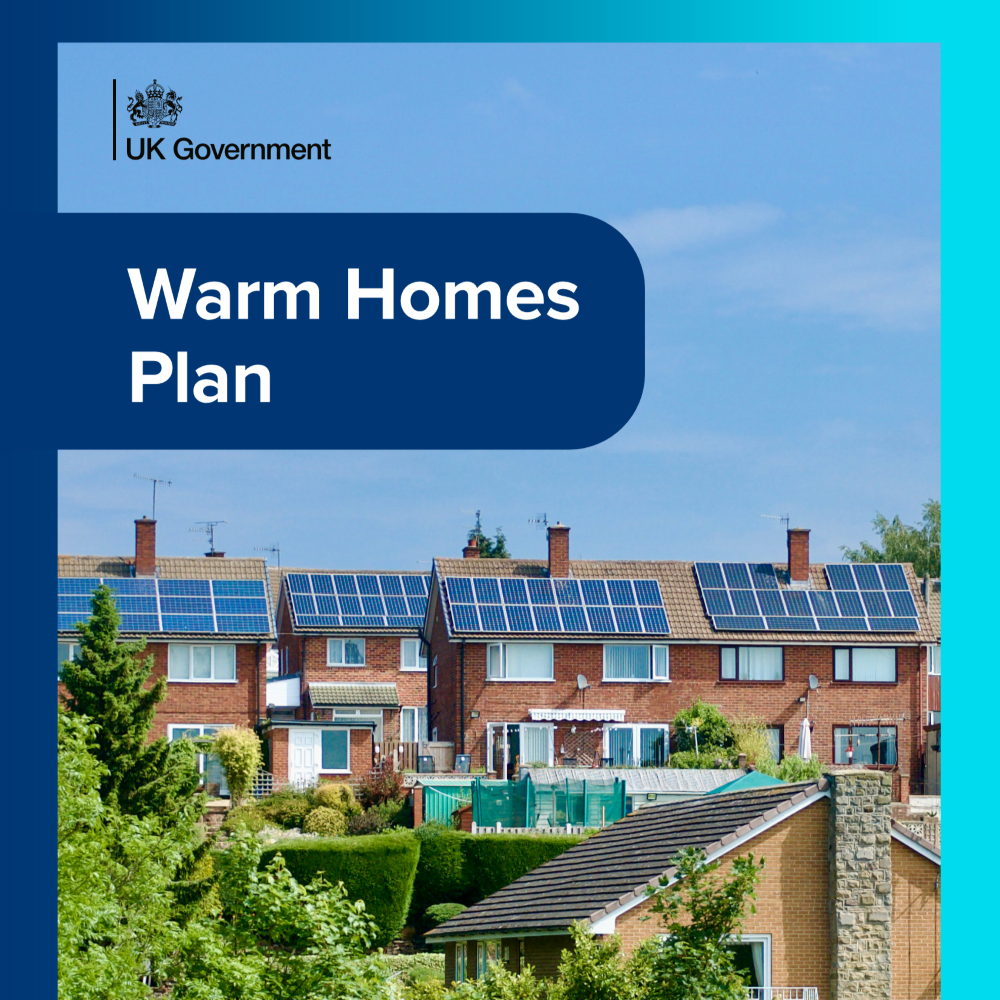
The UK’s newly proposed Warm Homes Plan sets out a number of promising initiatives aimed at improving living conditions for people in low-income housing. Encouragingly, the plan recognises the growing risk of overheating in homes and highlights the importance of better integrating passive cooling measures in future funding schemes.
This acknowledgement is an important step forward. However, the way passive cooling solutions are presented is unclear and risks potential poor outcomes for residents and public spending.
Not All Shading is Created Equal
Within the document, several passive cooling measures are mentioned. Unfortunately, internal solar shading solutions are grouped alongside external ones. This lack of distinction can give the impression, particularly to funding bodies, that low cost internal blinds or solar films are as effective at reducing heat gain as external shading systems. In reality this is not the case.
Internal blinds and films only address heat after it has already passed through the glazing and entered the building. By contrast, external shading prevents solar radiation from reaching the glass in the first place, making it vastly more effective at reducing indoor temperatures during periods of extreme heat.
Bridging the Gap between Affordability and Performance
Aluminium roller shutters offer a great solution that balances cost, performance and long term value. When installed externally, roller shutters can mitigate up to 90% of overheating by blocking heat before it penetrates the glazing.
The aluminium foam filled slats also provide thermal insulation, helping to reduce heat loss and energy demand. This dual-season performance makes them particularly well suited to social and low income housing where energy efficiency and affordability must go hand in hand.
The Case for Industry and Academic Input
There is a need for greater consultation with industry specialists and environmental building professionals as the Warm Homes Plan is refined. Without this input, there is a real risk of wasted funds and “regret spend”. In other words investments that fail to deliver meaningful comfort or long term climate resilience for residents.
Academic research consistently supports the superior performance of external shading solutions compared to internal blinds, when it comes to reducing overheating. Aligning policy with this evidence will ensure that funding is directed towards measures that genuinely protect occupants, reduce energy bills and future proof Britain’s housing stock.